Monday · Open until 8 p.m. · Iberville and Saint-Jean
FrançaisDental prophylaxis: prevent cavities and protect your gums
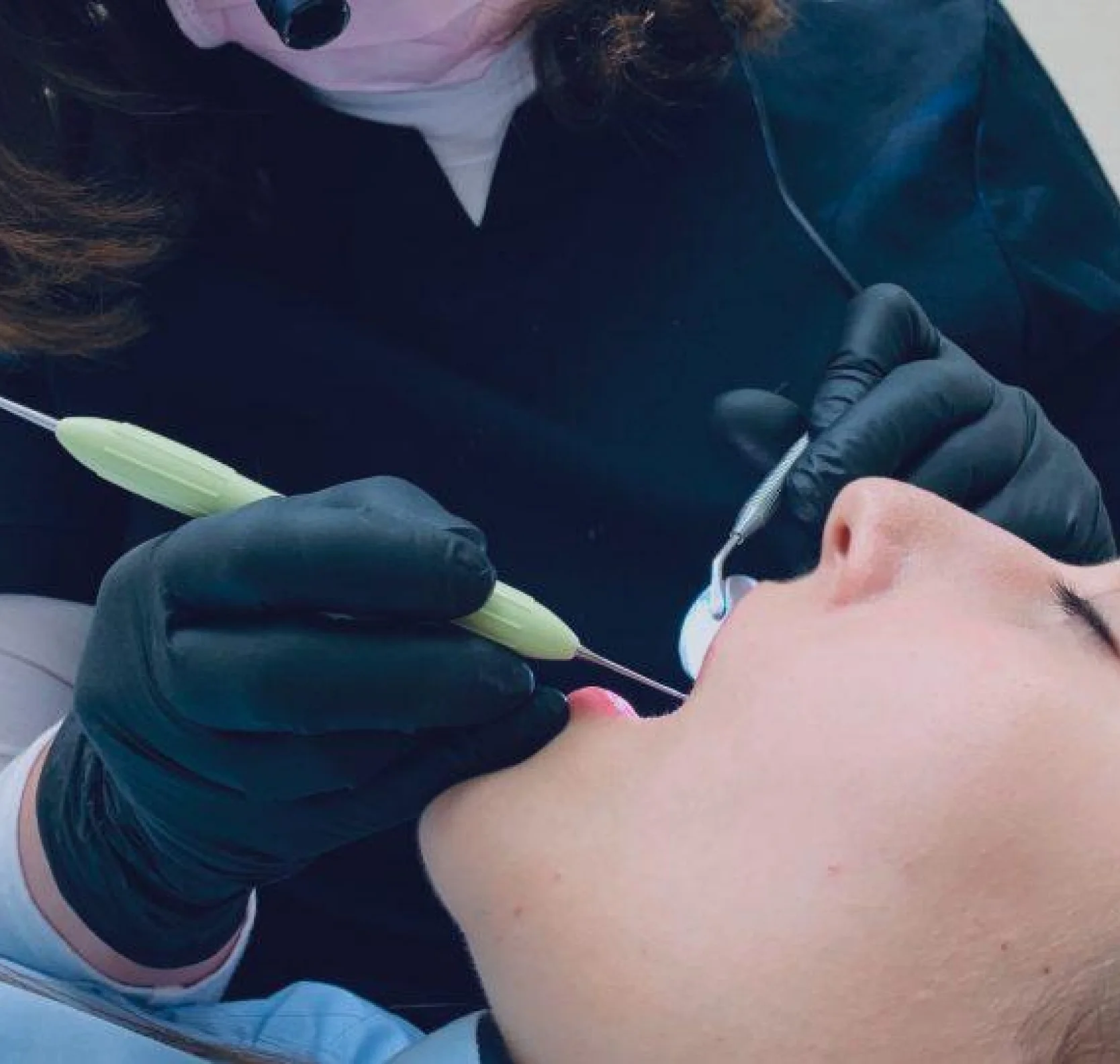

Treating advanced decay, replacing a lost tooth or treating infected gums costs more and takes more time than preventative measures that could have avoided these problems. This guide explains why dental prophylaxis is a concrete investment in your oral health, what care it includes in the clinic, how to build an effective routine at home and how often to consult according to your profile.
Why is dental prophylaxis essential?
Few people go through life without developing at least one dental problem. Dental prophylaxis is a preventative approach that allows you to maintain a healthy mouth in the long term and avoid long and costly curative treatments. It reduces the risk of complications by combining regular professional care and an adapted daily routine.
Consequences of a lack of prevention on oral health
Plaque naturally accumulates on the teeth after each meal. Without regular cleaning, it calcifies into tartar, a hard deposit that brushing alone can no longer remove. Tartar promotes the appearance of cavities and causes inflammation of the gums, a stage called gingivitis.
83% of Canadians aged 20 to 79 experience bleeding gums , an early sign of periodontal disease. Without intervention, these problems develop into periodontitis: the infected supporting tissues gradually deteriorate, which can lead to tooth loss. Quebec has one of the highest rates of edentulism in Canada, a direct consequence of the lack of preventive oral and dental follow-up in certain patients.
Link between dental prophylaxis and general health
Periodontal disease is not limited to the mouth. Chronic inflammation of the gums causes bacteremia, that is, the passage of bacteria into the blood, which increases the risk of complications for the entire body. The WHO confirms the association between periodontal infections and type 2 diabetes, cardiovascular disease and pregnancy complications .
Preventing periodontitis through regular prophylactic care protects overall health in the long term. In the case of diabetic patients, better control of gingival inflammation helps stabilize blood sugar levels. The link between mouth and overall health reinforces the importance of regular professional follow-up, where targeted care complements daily actions.
What dental prophylaxis care is offered in the clinic?
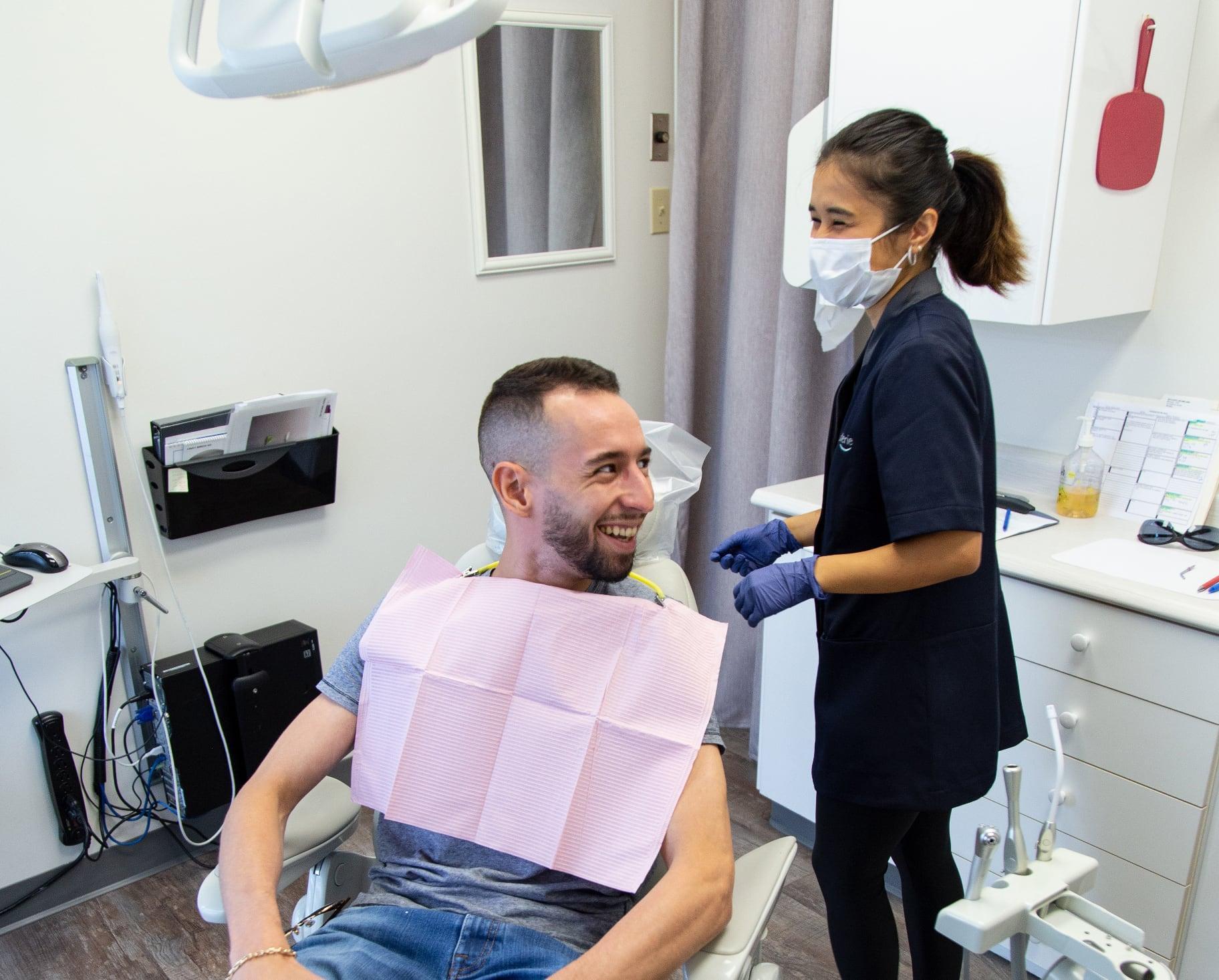
Professional in-clinic care complements daily dental prophylaxis procedures. The intervention of the dentist and hygienist makes it possible to reach areas inaccessible to brushing, to remove calcified deposits and to carry out a complete examination. This deep cleaning prevents complications that home care alone cannot avoid.
Ultrasonic scaling and manual curettes
Ultrasonic instruments break up calcified tartar accumulated above and below the gum line. Manual curettes complement cleaning in delicate areas and periodontal pockets, where ultrasound cannot reach every surface precisely.
This scaling removes the deposits that daily brushing leaves behind. The tooth regains a smooth surface , which reduces the future adhesion of bacterial plaque.
Dental polishing and air polishing
After scaling, a prophylactic paste is applied to each tooth to smooth the enamel surface and reduce plaque attachment. Air-polishing projects a jet of bicarbonate powder onto hard-to-reach areas for more targeted cleaning and the elimination of superficial stains.
Polishing makes each tooth smoother to the touch, making daily brushing easier and slowing the formation of new deposits. This treatment is quick, painless and effective.
Professional fluoride treatment
A highly concentrated fluoride gel or varnish strengthens the enamel of each tooth weakened by acidic attacks by bacteria. This application strengthens the strength of the enamel and creates a protective barrier that helps prevent demineralization between visits.
Recommendations vary depending on the patient profile: professional fluoride is particularly effective for children whose enamel is still developing and adults with a high caries risk. The remineralizing agents contained in the varnish act for several hours after application.
Screening and control x-rays
Beyond cleaning, the dentist performs a complete visual examination of the teeth, gums and soft tissues of the mouth. He checks the depth of periodontal pockets and performs oral cancer screening , a follow-up often neglected outside of prophylaxis visits.
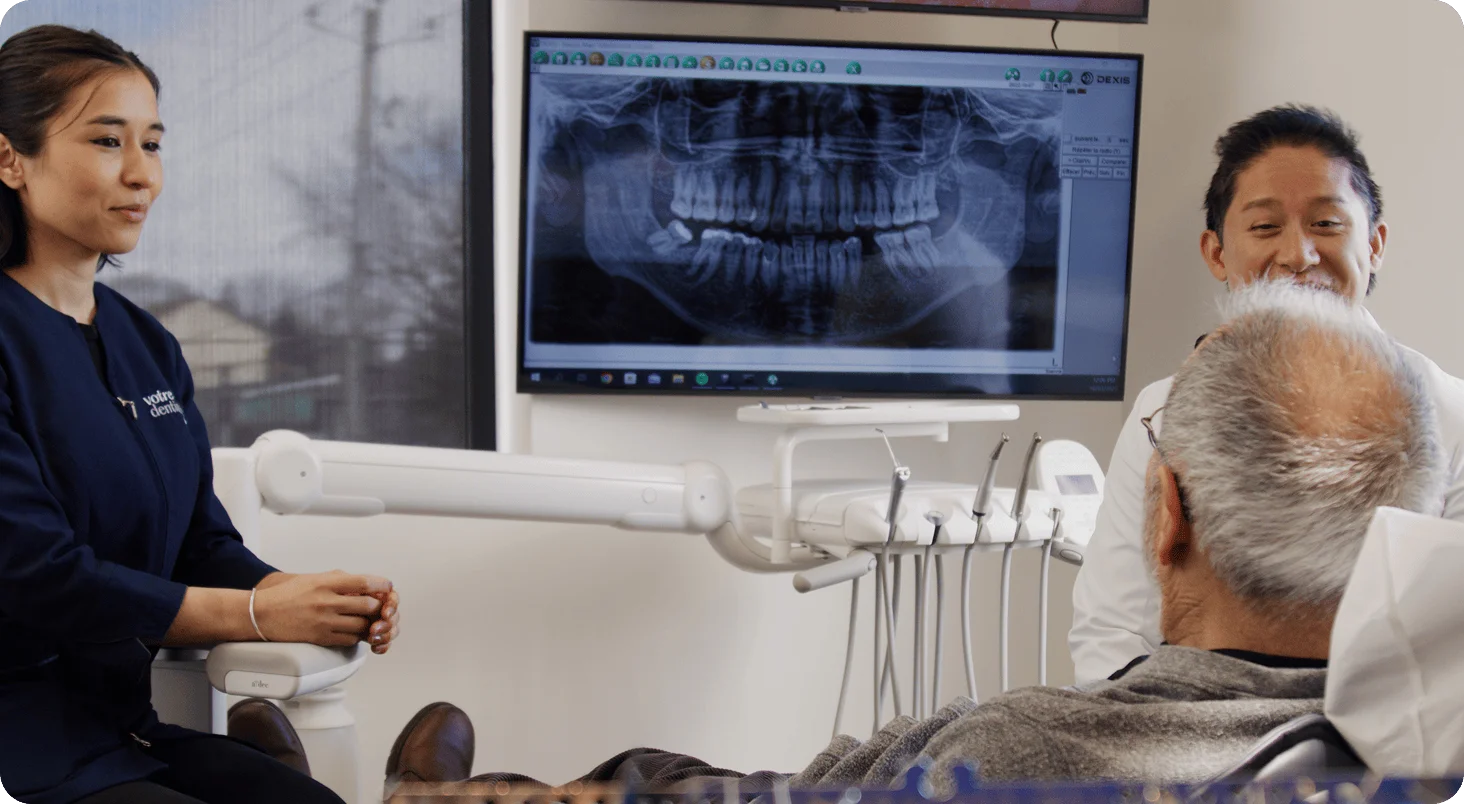
Digital x-rays are taken as needed to detect interproximal caries and bone loss invisible to the naked eye. Combined with a regular dental exam , this screening helps identify oral health problems before they require more serious treatment. The results of this professional care last longer when the patient adopts a rigorous prevention routine at home.
Effective dental prophylaxis routine at home
Home care forms the mainstay of daily dental prophylaxis . The dentist personalizes oral hygiene advice according to the profile of each patient, but certain basic habits are effective for everyone. Implementing a good brushing and interdental cleaning routine prolongs the results obtained in the clinic.
Tooth brushing: technique and frequency
Brushing for 2 minutes , twice a day, is the most effective action for removing bacterial plaque before it calcifies. The modified Bass technique, which involves tilting the brush 45 degrees against the gum and using small circular motions, gives good results on all teeth.
The WHO recommends a fluoridated toothpaste containing between 1000 and 1500 ppm fluoride. A soft-bristled brush, replaced every 3 months, reduces the risk of enamel abrasion. The electric brush offers an effective alternative for people who have difficulty maintaining good manual technique. Integrating this gesture into a stable daily hygiene routine makes it automatic and more regular.
Interdental cleaning: dental floss, brushes and irrigator
Brushing alone is not enough: the brush cannot reach the surfaces between the teeth. Flossing fills this gap by accessing the interdental cavity where plaque accumulates without being visible.
Interdental brushes are better suited to larger spaces and help remove food residue. The oral irrigator projects a jet of water to complete cleaning, but it does not replace floss or brush heads.
Diet and lifestyle habits favourable to dental health
What you eat between meals directly influences the health of your teeth. Refined sugars and acidic drinks feed cavity-causing bacteria, increasing the risk of damage between visits. Drinking water after each meal helps rinse away food residue and maintain a proper oral pH balance.
Smoking aggravates periodontal disease and delays gum healing after treatment. Alcohol dries your mouth, reducing saliva production and promoting plaque buildup. Avoiding these habits contributes to good prevention on a daily basis, but the frequency of professional care depends on factors specific to each patient.
At what age and how often should dental prophylaxis be planned?
Dental prophylaxis adapts to each stage of life. Children, adults and people at risk have different preventive needs. The dentist's recommendations determine the ideal frequency of follow-up appointments according to the profile of each patient. Consulting regularly allows problems to be taken care of before they get worse.
Dental prophylaxis in children and adolescents
The first visit to the dentist is recommended 6 months after the eruption of the first tooth. This early consultation makes it possible to detect signs of decay and establish good brushing habits from an early age.
36% of 6th grade students in Quebec are affected by irreversible decay on permanent teeth (INSPQ). Children's dentistry offers follow-up adapted to the growth of each tooth. Dental sealants, applied as soon as permanent molars emerge, provide an additional barrier of prevention against cavities in deep grooves.
Recommended frequency of dental prophylaxis for adults
An appointment every 6 months is suitable for the majority of adults in good oral health. This regular monitoring helps maintain healthy gums and detect problems at an early stage.
Patients who have undergone periodontal treatment or who have risk factors such as diabetes or smoking benefit from professional cleaning every 3 to 4 months. In these cases, an earlier timetable reduces the risk of recurrence.
Dental prophylaxis for people at high risk
For some people, the risk of oral disease warrants closer monitoring. Diabetic patients , for example, are more likely to develop periodontitis due to their body's altered inflammatory response.
Pregnant women can develop pregnancy gingivitis linked to hormonal changes. Patients on medications that cause xerostomia (dry mouth) lose the natural protection of saliva. In all these cases, consulting a dentist more frequently meets a need for reinforced prevention. The CDCP (family income less than $90,000) and RAMQ programs cover certain care for eligible people.
Book your preventive cleaning at Votre Dentisterie
Our dentists in Saint-Jean-sur-Richelieu support your family in a personalized dental prophylaxis process. The Iberville and Saint-Jean clinics offer evening appointments (Monday and Thursday until 8 p.m.) to facilitate access to professional prevention, even with a busy schedule. Flexiti financing at 0% interest available. Make an appointment at 450-305-6505.
Frequently asked questions about dental prophylaxis
What is the difference between dental cleaning and dental prophylaxis?
Dental cleaning refers to scaling and polishing carried out in a clinic. Dental prophylaxis encompasses a broader set of preventive care: cleaning, professional fluoride application, screening exam, sealants and personalized oral hygiene advice.
Is dental prophylaxis covered by insurance in Quebec?
RAMQ covers certain preventive care for children under 10 and social assistance recipients. The CDCP program is aimed at patients whose family income is less than $90,000. Private insurance plans generally include 2 cleanings per year in their basic coverage.
How long does a dental prophylaxis session last?
A session usually lasts between 30 and 60 minutes, depending on the patient's oral condition. The first visit is often longer because it includes the complete exam, x-rays and cleaning.
Can dental prophylaxis prevent bad breath?
Halitosis is often caused by the buildup of bacteria on the tongue, gums and between the teeth. Professional cleaning removes these bacterial deposits, and rigorous daily hygiene maintains the results between visits.
When to consult a dentist outside of regular prophylaxis appointments?
Some signs warrant a quick consultation: persistent bleeding gums, increased pain or sensitivity, bad breath despite good brushing, unusual stain or lesion in the mouth, or loose tooth.
Few people go through life without developing at least one dental problem. Dental prophylaxis is a preventative approach that allows you to maintain a healthy mouth in the long term and avoid long and costly curative treatments. It reduces the risk of complications by combining regular professional care and an adapted daily routine.
Other articles

Temps de guérison d'un implant dentaire : de la pose à la couronne
Read the article

Implant dentaire ou couronne : comment faire le bon choix?
Read the article

Aligneurs ou broches en orthodontie : lequel choisir?
Read the article

Canadian Dental Care Plan: eligibility, covered services and enrolment
Read the article
Get started today. Pay at your own pace.
With Dentoplan, get a plan adapted to your situation. Rapid approval, directly in the clinic.