Monday · Open until 8 p.m. · Iberville and Saint-Jean
FrançaisWhat is the price of a dental crown in Quebec in 2026?
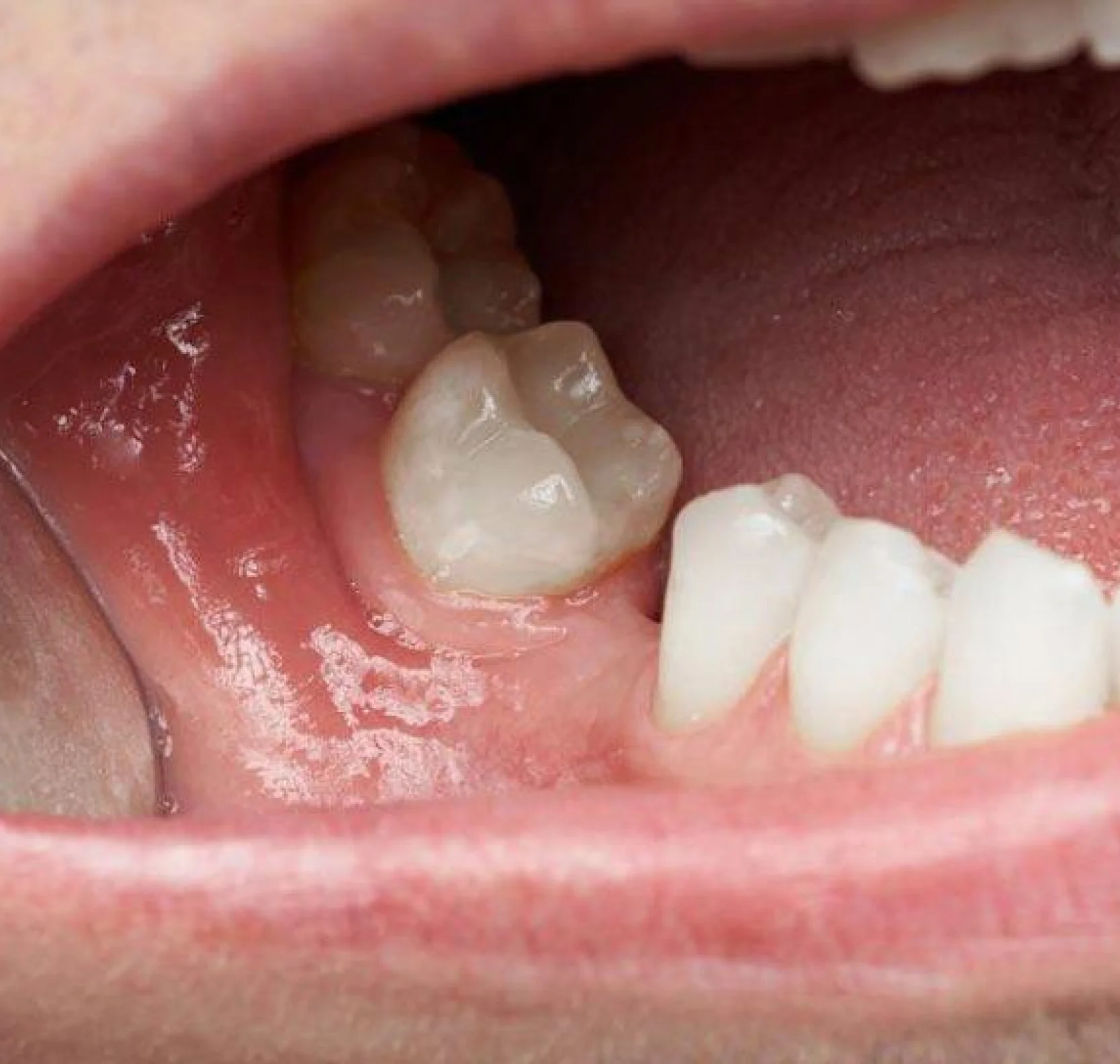

The price of a dental crown in Quebec in 2026 is between $800 and $2,200 per tooth. The cost varies depending on the material chosen, the complexity of the case and the clinic where the treatment is carried out. A metal crown generally costs less than a zirconia restoration, but each option meets different needs.
How much does each type of dental crown cost in Quebec?
The cost of a dental crown mainly depends on the type of material used. Each option offers a different balance between aesthetics, strength and price. The table below summarizes the price ranges in Quebec in 2026 for the main types of crowns:
Crown type
Price range
- Porcelain (ceramic): $1,000 to $1,500
- Metal-ceramic: $1,600 to $1,800
- Zirconia: $1,800 to $2,200
- Metal or alloy: $800 to $1,200
Porcelain crown
The porcelain crown reproduces the natural appearance of the tooth thanks to its translucency close to enamel. This type of ceramic is suitable for front teeth, where aesthetics matter most. The porcelain mimics the light and colour of adjacent teeth, making the restoration virtually invisible.
On the other hand, porcelain is less resistant to intense chewing forces. For molars or teeth subject to constant pressure, some dentists recommend a more resistant material. The price is between $1,000 and $1,500 per tooth.
Metal-ceramic crown
The metal-ceramic crown combines a metal structure covered with porcelain. This versatility explains why it is widely used: the metal base provides strength, while the porcelain layer reproduces the appearance of the tooth. The price is between $1,600 and $1,800. Over time, a grayish border may appear at the gum line when the underlying metal becomes visible, making it especially suitable for posterior teeth where aesthetics are less critical.
Zirconia crown
The zirconia crown represents the new generation of dental restorations. Manufactured by CAD/CAM (computer-aided design and manufacturing), it combines high resistance and aesthetic results. Zirconia is biocompatible, which eliminates any risk of allergic reactions linked to the metal.
This technology makes it possible to produce a crown suitable for both anterior and posterior teeth. Pricing ranges from $1,800 to $2,200, making it the most expensive option, but also the most mechanically and visually versatile.
Metal or alloy crown
The metal or alloy crown offers the best mechanical strength among all options. Its durability is exceptional: a metal crown can last 15 to 25 years with proper maintenance, and wear on opposing teeth remains minimal.
The price ranges from $800 to $1,200, making it the most affordable choice, but the visible metallic colour reserves it for molars not exposed when smiling.
Composite resin crown
Composite resin is the least expensive solution among the crowns offered in Quebec. Often used as a temporary or provisional restoration rather than a permanent choice, it helps protect the tooth while awaiting the fabrication of a permanent crown in the laboratory.
Composite resin is prone to fading and premature wear. Its fragility limits its lifespan to a few years, which rarely makes it a definitive choice.
The material is not the only factor that influences the final bill. The location of the tooth, dentist fees and laboratory costs also play a direct role in the price.
What factors influence the cost of a crown?
Several factors explain why the price of a crown varies from one clinic to another. The complexity of the case, the choice of material and the dentist's fees all influence the final bill.
The ACDQ publishes a suggested rate guide each year, and fees were adjusted upwards in 2026. In Quebec, dental fees are not regulated: the dentist sets his treatment plan and his rates, but he must inform the patient of the number of interventions and the costs before starting.
Does tooth location influence price?
An anterior tooth and a molar do not require the same level of aesthetic precision, which influences the price. Teeth visible when smiling require a material that replicates the natural colour, while back teeth tolerate less expensive options. The size of the tooth and the extent of the damage also determine the complexity of the intervention.
Some cases require prior root canal treatment, extraction or bone grafting before the crown is placed. The more complex the case, the more the cost increases. A complete dental examination with x-rays allows you to assess the situation and plan each stage of treatment.
Material and laboratory costs
The choice of material is the main determinant of the price of a crown. The previous section details the forks by type. Added to this cost are laboratory costs: custom manufacturing a crown involves taking an impression (digital or traditional with a physical mould), then the work of a dental technician.
Clinics equipped with a digital scanner can take the impression without a mould, which speeds up the process. The manufacturing technique (CAD/CAM in clinic or external laboratory) also influences the final price.
Dentist fees and region
Dentist fees vary depending on the region and the structure of the clinic. In Montreal and large urban centres, prices tend to be higher than in the regions. The Order of Dentists of Quebec reminds that each dentist freely sets their fees, but must give the patient a clear estimate before treatment. As an official point of comparison, the reference prices published by the CNESST for specialists place the metal-ceramic crown between $1,906 and $2,575 , to which laboratory fees are added.
Beyond the price, the decision to place a crown is based on precise clinical indications.
Main indications for placing a crown
The dental crown is a restoration that replaces the visible part of a tooth that is too damaged to be repaired with a simple filling. Several clinical situations justify this intervention, depending on the needs of the patient and the function of the tooth to be restored:
- Root canal treatment : a devitalized tooth becomes fragile and requires a crown to regain its strength. Without protection, the tooth risks fracturing under the forces of chewing.
- Fracture or crack : An impact, bruxism or structural weakness can crack a tooth. The crown surrounds the damaged tooth and prevents further deterioration.
- Extensive decay : When decay exceeds the capacity of a traditional filling, the crown becomes the only option to restore the tooth in a lasting manner.
- Replacing a bulky filling : an old filling that takes up a large part of the tooth weakens the remaining structure. The crown replaces it and redistributes the chewing forces.
- Anchoring a dental bridge : the bridge rests on neighboring teeth. These abutment teeth each receive a crown to support the prosthesis that replaces the missing tooth.
- Crown on dental implant : after placement of an implant, the crown screwed or cemented onto the prosthetic abutment reproduces the appearance and function of a natural tooth.
- Aesthetic reason : a severely damaged, discoloured or malformed tooth can be covered by a crown in cosmetic dentistry to regain a natural appearance.
Management always depends on a complete diagnosis. Your dentist evaluates the situation and recommends the crown only when a less invasive restoration is no longer sufficient.
Once the indication is confirmed, the question of financing arises. Several public and private plans can cover part of the cost.
Is a dental crown covered by insurance?
Coverage for a crown in Quebec depends on the dental insurance plan the patient is eligible for. Between RAMQ, the Canadian Dental Care Plan (CDCP) and private insurance, several options can reduce the cost of treatment.
Does RAMQ cover crowns?
The RAMQ only covers dental crowns for 2 groups: children under 10 years old and social assistance recipients with a claim slip. Adults who do not receive social assistance do not benefit from any coverage for this type of care. This limitation pushes the majority of patients to turn to other programs or to private insurance.
Canadian Dental Care Plan (CDCP)
CDCP covers dental crowns based on the patient's adjusted family net income. The rebate applies 100% for income below $70,000, 60% between $70,000 and $79,999, and 40% between $80,000 and $89,999 . The program has been expanded to all adults aged 18 and over since the summer of 2025, with a renewal period for 2026-2027 which runs from April 15 to June 1, 2026. It imposes frequency limits: maximum 4 crowns per 10-year period, and 1 crown per tooth per 8 years. Implant-supported crowns are excluded from coverage, and prior authorization is required before beginning treatment.
Point to watch: dentists charge on average ~20% above the CDCP scale ( La Presse ). The patient assumes the difference between the price billed and the amount reimbursed by the program.
Private insurance and financing
Private dental insurance covers a variable portion of the cost of a crown, depending on the plan purchased. Most group plans include major care (crowns, bridges, prosthodontic care), but the reimbursement percentage and annual ceiling vary from one insurer to another. Check your coverage before planning treatment.
At Votre Dentisterie, CDCP is accepted and Flexiti financing at 0% interest is in place for patients who wish to spread the cost over several months. Our 2 clinics welcome new patients in Saint-Jean-sur-Richelieu, with evening hours to facilitate access to care.
The initial cost is only part of the equation. The lifespan of the crown determines the real value of the investment.
How long does a dental crown last?
The lifespan of a dental crown depends on 3 main factors:
- The chosen material
- Patient's oral hygiene
- His daily habits
Properly cared for, a wreath can last more than a decade. Its longevity justifies the initial investment, provided you maintain regular follow-up with the dentist.
What is the lifespan depending on the material?
On average, a dental crown lasts 10 to 15 years. Zirconia crowns can reach 20 years thanks to their mechanical resistance, while metal crowns often exceed 15 to 25 years.
Several factors reduce the longevity of a permanent crown: bruxism (teeth grinding), insufficient hygiene and frequent consumption of hard foods. A cementation defect or an occlusion problem can also cause premature loosening. Signs that a crown needs to be replaced include visible wear, cracking, loosening, and persistent discomfort.
Maintaining a crown: actions that extend its lifespan
Rigorous maintenance and good oral hygiene extend the life of the crown and protect neighboring teeth. Brushing twice a day with fluoridated toothpaste and daily flossing remain the basic actions. Pay particular attention to the junction between the crown and the gum, where plaque accumulates more easily.
In case of bruxism, an occlusal plate protects the crown and natural teeth against nighttime wear. Regular visits to the dentist can detect a cementing problem or restore a damaged surface before it deteriorates further.
With the right hygiene habits, your crown can last well beyond the average 10 years, making it a lasting investment in your dental health.
Make an appointment for your crown in Saint-Jean-sur-Richelieu
A dental crown is an investment in your oral health and your smile. Several materials adapt to each situation, and options like CDCP and 0% Flexiti financing make dental care accessible.
Make an appointment in one of our 2 clinics in Saint-Jean-sur-Richelieu (Iberville or Saint-Jean sector) by calling 450-305-6505.
Frequently Asked Questions About Dental Crown
Is the dental crown visible?
Porcelain, ceramic and zirconia crowns replicate the colour and translucency of natural teeth, making them virtually invisible in the smile. Only metal or metal-ceramic crowns can have a visible reflection, but they are reserved for posterior teeth where aesthetics are less critical.
Is installing a dental crown painful?
The installation takes place under local anaesthesia in 2 to 3 appointments: the dentist prepares the tooth and takes an impression, then cements the permanent crown after manufacturing in the laboratory. A slight sensitivity may appear for the first few days, but it subsides quickly.
What is the difference between a crown and a veneer?
The crown covers the entire tooth over 360 degrees and restores its structure, while the veneer only covers the visible side for aesthetic purposes. The dental crown is a structural restoration that strengthens a weakened tooth, and the veneer corrects the appearance without changing the internal structure.
How do you know if a crown needs to be replaced?
Persistent pain, a visible crack, loosening, or sensitivity to hot and cold indicate that a dental crown needs to be replaced. In case of sudden loss, contact a dental emergency to protect the exposed tooth.
Is financing available for a dental crown?
At Votre Dentisterie, Flexiti financing at 0% interest allows you to spread the cost of a crown over several months, and CDCP is accepted for eligible patients. Also check your private dental insurance coverage before planning treatment.
Other articles

Temps de guérison d'un implant dentaire : de la pose à la couronne
Read the article

Implant dentaire ou couronne : comment faire le bon choix?
Read the article

Aligneurs ou broches en orthodontie : lequel choisir?
Read the article

Canadian Dental Care Plan: eligibility, covered services and enrolment
Read the article
Get started today. Pay at your own pace.
With Dentoplan, get a plan adapted to your situation. Rapid approval, directly in the clinic.